Planning to study abroad in 2026 but can’t decide between the USA and Canada?
You’re not alone. Every year, thousands of international students face this exact dilemma – both countries offer world-class education, vibrant cultures, and excellent post-study opportunities.
Choosing the best study destination for 2026 requires a deeper look at what each country offers. If you need help, you can always contact reliable consultancies for expert guidance.
Education System: USA vs Canada
When comparing the USA vs Canada education system, both countries rank among the world’s best.
The USA is home to prestigious institutions such as Harvard, MIT, and Stanford, known for research innovation and diverse programs.
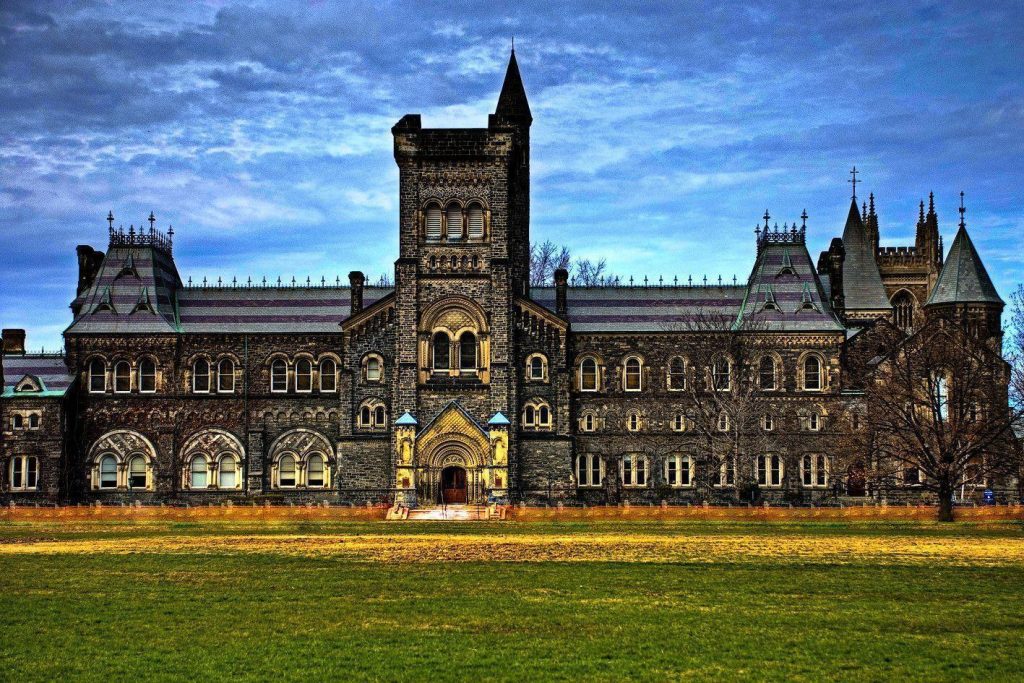
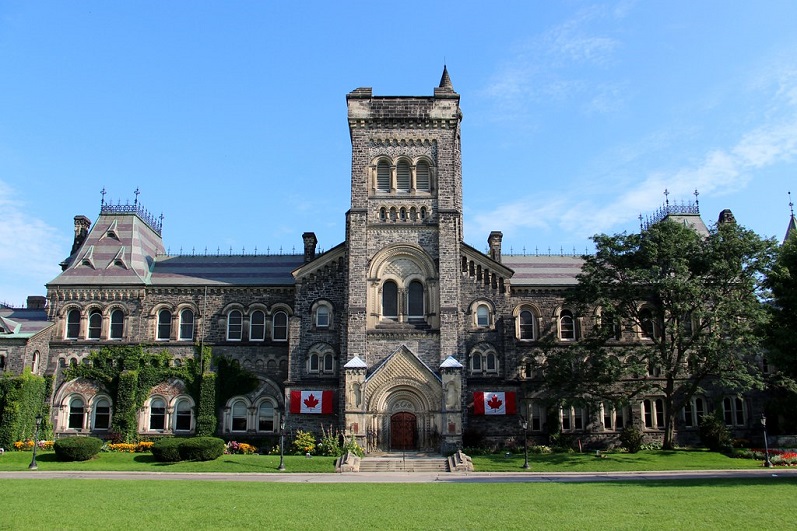
Canada, on the other hand, is globally recognized for its high-quality universities like the University of Toronto and McGill University, offering strong research programs with a more affordable cost structure.
If you prefer flexibility and specialization, study abroad in the USA offers more program options and elective choices. For those seeking affordability and work-study balance, study abroad in Canada might be the smarter choice.
Cost of Studying and Living
A major factor for students is the cost of studying in the USA vs Canada.
Tuition Fees Comparison: Tuition in the USA typically ranges from $25,000-$45,000 USD per year for undergraduate programs, while in Canada it’s around $22,000-$55,000 CAD.
Cost of Living for International Students: The USA can be more expensive depending on the city (New York or Boston vs Toronto or Montreal). Canada generally offers a lower cost of living and more affordable housing options.
When budgeting for 2026, factoring in healthcare, accommodation, and transportation, Canada often comes out slightly cheaper overall.
The student visa process USA and student visa process Canada differ in requirements and flexibility.
USA (F-1 Visa): Allows students to work on campus up to 20 hours a week and apply for Optional Practical Training (OPT) after graduation – a great way to gain professional experience.
Canada (Study Permit): Permits students to work both on and off campus during their studies. After graduation, the Post-Study Work Permit (PGWP) allows up to 3 years of work experience – a huge advantage for those seeking PR options after study in Canada.
In terms of immigration pathways, Canada offers a clearer PR route through programs like the Canadian Experience Class (CEC).
Top Universities and Scholarships
When comparing top study destinations in the USA and Canada, both countries offer globally recognized education, diverse academic programs, and strong post-study opportunities.
Top Universities in the USA:
Webster University: Known for its international campuses and flexible study programs designed for global learners.
Princeton University: Elite Ivy League university known for strong undergraduate focus.
Avila University: A student-centered institution recognized for small class sizes and personalized academic support.
Stanford University: Leading research university in technology, sciences, and entrepreneurship.
University of Chicago: Known for its Core Curriculum and strong liberal arts and research emphasis.
Top Universities in Canada:
University Canada West (UCW): A leading business-focused university offering MBA and commerce programs in Vancouver.
Thompson Rivers University (TRU): Popular among international students for its flexible pathways and co-op learning options.
University of Winnipeg: Known for affordable tuition and diverse undergraduate and graduate programs.
University of Toronto: Canada’s highest‑ranked university with strong programs across arts, sciences, engineering, business, and more.
University of Alberta: Top research institution with a broad range of undergraduate programs.
Scholarships for International Students:
USA: International students can apply for Merit-Based Scholarships, Presidential Awards, or Need-Based Grants offered directly by universities such as Webster and Avila.
Canada: Opportunities include the Vanier Canada Graduate Scholarships, Lester B. Pearson International Scholarship, and institutional awards from universities like UCW and TRU for outstanding academic achievement.
Both countries offer pathways for talented students to access quality education with financial support, making them excellent choices for international learners in 2026.
Student Life and Experience
The international student experience differs slightly between both destinations.
Student Life in USA vs Canada: The USA offers a fast-paced, diverse lifestyle with vast networking opportunities. Canada provides a more relaxed, inclusive environment with a focus on community and safety.
Both countries are multicultural and welcoming, but Canada often ranks higher in global safety and happiness indexes.
Study Abroad Trends 2026
According to study abroad trends 2026, more students are choosing countries that provide work opportunities after graduation and long-term immigration options.
Canada’s affordable tuition and PR pathways are drawing increased attention, while the USA continues to attract students for its academic excellence and global career prospects.
Whether you’re looking for higher education abroad focused on research, innovation, or employment opportunities, both destinations remain top choices.
USA vs Canada: Pros and Cons Summary
Here is a quick side-by-side comparison to help you understand the key differences in education, costs, career opportunities, and lifestyle.
Aspect
USA
Canada
Education Quality
World-class, research-focused
Excellent, practical learning
Tuition Fees
Higher
More affordable
Living Costs
Higher (varies by city)
Moderate
Work Opportunities
OPT program
PGWP up to 3 years
PR Options
Limited
Strong PR pathways
Student Lifestyle
Diverse, competitive
Friendly, inclusive
Which Country Is Better for Studying Abroad?
So, which country is better for studying abroad in 2026?
Choose the USA if you value innovation, global networking, and academic prestige.
Choose Canada if you seek affordability, work-life balance, and a smoother PR process.
Both nations are among the best countries for international students 2026 – your decision should depend on your goals, budget, and career plans.
Start Your Study Abroad Journey with CIC Education Hub
As the best consultancy in Nepal, CIC Education Hub provides expert guidance for studying in USA and Canada. We support you through every step – from choosing the right university and preparing applications to securing scholarships and student visas.
Plan smart, apply confidently, and make 2026 the year you study abroad!
FAQs
1. Which is better for international students in 2026 – USA or Canada?
Both are excellent choices. The USA stands out for research and global recognition, while Canada is preferred for affordability and easier immigration pathways.
2. Which country offers better post-study work opportunities?
Canada provides a PGWP of up to 3 years. The USA offers OPT, which varies by program.
3. Is it easier to get PR after studying in Canada or the USA?
Canada offers a clearer pathway through programs like the CEC. The USA has limited direct PR options for students.
4. What is the average salary in the USA vs Canada?
The USA offers higher starting salaries, especially in tech and business roles. Canada’s salaries are slightly lower, but overall living costs and PR opportunities often balance it out.
5. What factors should I consider when choosing between the USA and Canada?
Consider tuition costs, living expenses, visa/work opportunities, PR pathways, university reputation, and lifestyle preferences before deciding.
Study in Canada from Nepal has become increasingly popular among Nepali students seeking high-quality education, safe campuses, and global career opportunities. Every year, thousands of students from Nepal choose Canada for its affordable tuition, diverse programs, and inclusive environment.
Compared to destinations like the USA, UK, or Australia, Canada offers world-class education at lower costs, making it an ideal choice for international students. In addition, Canada allows students to work 20 hours per week during semesters and full-time during breaks, helping cover living expenses and gain valuable local work experience.
While planning to study abroad, the first thing you need to do is choose a country where you want to pursue your higher education. If you are considering Canada as a study destination, here we’ll provide you the answers to your questions regarding why study in Canada from Nepal.
The first and the most important factor is the quality of education in Canada at affordable fee structures provided by the colleges and universities in Canada. The total cost to study in Canada from Nepal, including tuition fees, living expenses, and accommodation, can vary depending on the program and location. Understanding the study in Canada from Nepal requirements is essential to successfully plan your education journey.
Top reasons, Why to Study in Canada From Nepal are:
Affordable Tuition Fees
Better Education Institution
Safety and Better Work Environment
Post Graduation Working Visa
Employment Opportunity
Affordable Tuition Fees
Tuition fees for colleges/universities for study in Canada cost around 400 CAD/year for programs in Social Sciences, Art, or Education. Quite a few programs range between 1,000 and 4,000 CAD/year, but the vast majority of them cost over 10,000 CAD/ year. Also, the degrees obtained from Canadian universities are recognized as much as degrees obtained from universities in the USA and Australia. The total cost to study in Canada from Nepal includes not just tuition fees, but also living expenses, health insurance, and other personal costs, making it important to plan your budget carefully.
Better Education Institution
Most of the universities in Canada are listed as the top universities in the world. Also, many of the students choose Canada as a study destination because of its easy visa application process. Canada has a transparent, accessible visa application process for international students.
Universities and Colleges in Canada also provides various scholarship programs to students who choose Canada as a study destination. However, scholarships are provided especially for postgraduate level and are very limited and highly competitive.
Safety and Better Work Environment
Most of the education consultancies in Nepal also recommend studying in Canada from Nepal for Nepalese students also because Canada provides a sense of safety and security for international students. In fact, the country faces very low crime rates and cases of racial discrimination.
Apart from this, there are also many other benefits of studying in Canada. Another major benefit of studying in Canada from Nepal is the work permit provided by the government of Canada to international students. As an international student, you can work up to 20 hours a week during normal college periods and full time during college breaks.
Post Graduation Working Visa
Similarly, Canada also provides post-graduation work permits for international students which are valid for up to three years. This work permit allows you to work for any employer in Canada, in any location and allows you the flexibility to change employers and gather even more crucial work experience.
With the quality of education in Canada, you can get work in any part of the world. To add to this, international students can also apply for Permanent Residency which takes up to 15 to 18 months from within Canada. The minimum eligibility criteria to apply for Canada PR is 67 Points.
Employment Opportunity
Along with this, Canada also provides working opportunities for students who have graduated from colleges/universities in Canada. Also, many Nepali students choose to study abroad in Canada because of the sense of safety and security the country provides. The total cost to study in Canada from Nepal is a key factor students consider, which includes tuition fees, living expenses, health insurance, and other personal costs.
Canada is considered to be one of the safest places to study as the country faces very low crime rates and cases of racial discrimination. Last but not the least, Canada has been ranked as the best place to live in the world for the last few years.
Factors like Canada’s high levels of universal education, long life expectancy, low crime, less violence, etc. contribute to this. In addition, Fortune Magazine named Toronto and Ontario as the best international city. Do these facts answer your questions on why study in Canada from Nepal?
Why Choose Canada For Higher Studies?
Canada offers clear, practical pathways that many other study destinations, such as the US or UK, often do not.
1. Clear Path to Permanent Residency (PR)
Canada’s immigration system is designed to retain international graduates. Completing a Canadian degree and gaining local work experience through the Post-Graduation Work Permit (PGWP) significantly boosts your Express Entry points. This provides Nepali students with one of the most secure pathways to Permanent Residency (PR) among English-speaking countries.
2. 3-Year Post-Graduation Work Permit (PGWP)
Unlike temporary student visas, the PGWP allows graduates to work in Canada for up to three years. This opportunity lets students gain valuable Canadian work experience while helping families financially manage the cost of studying abroad.
3. Safety, Security, and High Quality of Life
Canada consistently ranks among the safest countries in the world, with low crime rates and high standards of living. Families in Nepal can feel confident about their children’s safety. Additionally, Canadian universities are globally recognized—over 30 Canadian institutions feature in the latest QS World University Rankings 2026.
Safety is a major concern for Nepali students planning to study abroad. Canada stands out as one of the safest countries in the world for international students.
Key Safety Highlights:
Low Crime Rates: Canada has minimal cases of theft, burglary, and violent crime.
Racial Equality: Instances of racial discrimination are rare, creating a welcoming environment.
Student-Friendly Cities: Major cities like Toronto, Vancouver, and Montreal prioritize campus and community safety.
Stats: Canada’s safety index is 62.42, higher than:
US – 49.99
UK – 57.9
Australia – 57.94
For Nepali students, Canada offers a secure environment to study, work, and live, giving parents peace of mind and students the freedom to focus on their goals.
How Much Does It Cost To Study In Canada From Nepal?
Studying in Canada from Nepal is more affordable than the UK, Australia, New Zealand, or the US, but higher than for Canadian citizens. When calculating costs, consider tuition fees, accommodation, food, health insurance, and travel.
Note: Programs like medicine, engineering, and MBA are on the higher end. Arts, humanities, and education courses are generally cheaper.
Living Expenses (per year)
Accommodation, food, transport, and personal expenses: ~CAD 15,000
Total Estimated Cost (Tuition + Living)
Undergraduate: CAD 27,000 – 40,000
Postgraduate/Master’s: CAD 29,000 – 50,000
PhD: CAD 22,000 – 33,000
Tips to Reduce Costs
Apply for Canadian scholarships for international students.
Work part-time during studies (up to 20 hours/week on campus and full-time during holidays).
Plan your GIC (Guaranteed Investment Certificate) of CAD 22,895 carefully for visa compliance.
Proper planning and budgeting will help Nepali students manage the total cost effectively while pursuing education in Canada.
Study in Canada from Nepal: Tuition Fee Overview
The tuition fee depends on your program level and university. Here’s the updated range for 2025–2026:
Programs to Study in Canada
Average Tuition Fee
Undergraduate Program
12,000 to 25,000 CAD per year
Postgraduate Master’s degree
14,000 to 35,000 CAD per year
Doctoral Degree
7000 to 10,000 CAD per year
How To Study In Canada From Nepal?
Choose Your Program & University
Research colleges and universities in Canada based on your desired course, location, tuition fees, and scholarships.
Consider programs with strong post-graduation work opportunities.
Meet Academic & Language Requirements
Minimum 60% in +2 or equivalent for undergraduate programs.
Required IELTS, TOEFL, or PTE scores (typically IELTS 6.5, no band below 6.0).
Prepare Financial Documents
Show proof of tuition, living expenses, and Guaranteed Investment Certificate (GIC) of CAD 22,895.
Apply to Colleges/Universities
Submit your academic transcripts, SOP, letters of recommendation (if required), and other supporting documents.
Receive Offer Letter
Once accepted, pay the tuition deposit if required.
Obtain your Letter of Acceptance (LOA), which is necessary for the visa process.
Apply for Canada Student Visa
Submit your application with complete documentation to the IRCC.
Prepare for biometrics, medical checks, and interview if required.
Pre-Departure Preparation
Arrange accommodation, flight tickets, and attend pre-departure orientation.
Familiarize yourself with Canadian culture, rules, and work regulations.
Following these steps ensures a smooth journey for Nepali students aiming to study in Canada while maximizing your chances of visa approval and a successful academic experience.
Let us guide you on how to study in Canada from Nepal:
How To Apply For A Study Permit In Canada?
Applying for a study permit in Canada from Nepal is a crucial step after getting accepted into a Canadian college or university.
Here’s a clear step-by-step process:
Get Admission in a Canadian College or University
Before applying for a study permit, you must have a letter of acceptance from a recognized Canadian institution.
Understand the Difference: Study Permit vs Temporary Resident Visa (TRV)
Study Permit: Allows you to study in Canada legally.
Temporary Resident Visa (TRV): Lets you enter and stay in Canada.
You will usually need both to study in Canada from Nepal.
Gather Required Documents Ensure you have all necessary documents before applying:
Letter of Acceptance from a Canadian college or university
Valid Passport or travel document
Proof of Financial Support to cover tuition fees, living expenses, and other costs
Submit Your Application
Apply through Immigration, Refugees and Citizenship Canada (IRCC).
Ensure your application is complete, accurate, and follows all 2026 guidelines.
Wait for Approval
Processing time varies but typically takes 4–8 weeks.
Once approved, you will receive your study permit and, if required, TRV to travel to Canada.
Tip: A strong and well-prepared application significantly increases your chances of approval for a Canadian study permit from Nepal.
If you are planning to study in Canada from Nepal, you must meet specific requirements to apply for a Canadian student visa. Following these steps carefully will ensure a smoother visa process.
The first step for getting Canada student visa requirements from Nepal is to get admission to a college or university in Canada.
1. Get Accepted by a College/University You must have a confirmed letter of acceptance from a Canadian Designated Learning Institution (DLI).
2. Prepare Your Documents Key documents include:
Valid passport
Acceptance letter
Proof of funds (GIC, bank statements, or sponsorship)
English language scores (IELTS/TOEFL/PTE)
3. Apply for Study Permit Submit your study permit application online via IRCC or at the Canadian Embassy. Make sure all documents are complete and accurate.
Now, we will guide you on Study in Canada from Nepal Requirements
Canada Student Visa Procedure
The visa procedure for Canada is easy and efficient as compared to the visa procedure for other countries.
In this section, we will provide you all the information regarding the Canadian student visa procedure. The visa office in your country will provide specific instructions about which documents you need to provide as this can vary depending on your location.
We, CIC Education Hub, the best consultancy in Nepal for Canada for visa processing services for Canada. You can also apply for a Canadian student visa either online or through a paper application, which can be obtained from the Citizenship and Immigration Canada (CIC) website.
Canada Student Visa Process From Nepal
Here’s a step-by-step guide to the Canadian student visa process for Nepali students:
Key Steps Include:
How to apply to colleges and universities in Canada
Visa application procedure
Required documentation
Biometric enrolment
Cost estimation
The process may vary depending on your course, university, or program requirements.
Biometric Requirement: All study permit applicants must complete biometric enrolment at the Canada Visa Application Centre (CVAC) in Nepal. You must book an appointment in advance, which ensures smooth and timely service. Biometric enrolment is valid for 10 years, so you don’t need to repeat it for future applications within this period.
Tips to Improve Visa Success:
Maintain strong academic records
Achieve high scores in English language tests (IELTS, TOEFL, or PTE)
Follow the visa application steps carefully and submit all documents accurately
The visa success rate for Canada from Nepal is higher compared to many other countries, making it one of the safest and most reliable destinations for Nepali students.
How To Apply For a Canada Student Visa from Nepal?
The first step to apply for a Canada student visa from Nepal is to secure admission to a recognized college or university in Canada. You must submit the acceptance letter from your institution when applying for the visa. Some top recommended colleges for Nepali students include Cambrian College, Canadore College, Georgian College, Royal Roads University, and the University of Prince Edward Island.
Note: If your study program is less than six months, you may not need a student visa.
Here are the steps on how to apply for a Canadian student visa:
1. Choose How to Apply
Online: Submit your application through the Citizenship and Immigration Canada (CIC) website. You’ll need electronic copies of all documents and a valid credit card for payment. You must also provide biometrics at the regional Visa Application Centre (VAC) and submit your passport in person.
Offline: Download the application kit from the CIC website, read the instruction guide carefully, and complete the VFS Consent Form to use VFS services.
2. Prepare Required Documents
Acceptance Letter: From your Canadian college/university.
Proof of Financial Resources: Show sufficient funds to cover tuition fees and living expenses.
Police Clearance Certificate: Confirming no criminal record.
Medical Report: Showing good health and fitness to study in Canada.
Following these steps carefully will help ensure a smooth and successful application for a Canada student visa from Nepal.
How Long Does it Take to Get a Canadian Student Visa?
Canada is one of the top study destinations for Nepalese students because it offers high-quality education, affordable tuition, and flexible work opportunities. With a valid Canada student visa, you can study, live, and work in Canada throughout your academic journey.
Work and Study in Canada for Nepalese Students
International students with a valid Canada study permit and full-time enrollment at a Designated Learning Institution (DLI) can work both on-campus and off-campus.
On-campus work: Allowed without a work permit.
Off-campus work: Allowed up to 20 hours per week during classes and full-time during scheduled breaks—if your study permit mentions off-campus work eligibility.
These work rights help Nepalese students cover tuition fees, living expenses, and gain valuable Canadian work experience. The Canada student visa fee is CAD $150, though total costs may vary depending on the program and application type.
Best Part-Time Jobs in Canada for International Students
Canada offers many high-paying part-time jobs for students, including:
Rideshare Driver: $15–$30/hour
Translator: $14–$55/hour
Waiter/Server: About $20/hour + tips
Content Editor (Freelance): $40–$60/hour
Night Auditor: Up to $29/hour
Writer (Freelance): Around $55/hour
These jobs are popular among Nepalese students studying in Canada due to flexible hours and good income.
Work Opportunities After Graduation (PGWP Canada)
After completing your studies in Canada, you may be eligible for a Post-Graduation Work Permit (PGWP), which allows you to work in Canada for up to 3 years (depending on your program length).
PGWP eligibility requirements:
Full-time study in a DLI-listed institution
Completed program from a public or government-authorized private institution
Apply within 90 days of receiving your diploma
Hold a valid study permit at the time of application
Canada’s strong job market and labour shortages make it easier for skilled graduates to find full-time jobs and build a career in Canada.
Before You Start Working in Canada
You must obtain a Social Insurance Number (SIN) to work legally and access government benefits. Some provinces also have minimum age requirements for certain jobs.
These are some of the educational facts about Canada.
Conclusion: Study in Canada From Nepal
Studying in Canada is a top choice for Nepali students. The yearly cost to study in Canada from Nepal is usually CAD $30,000–$45,000.
CIC Education Hub is one of the best consultancies in Nepal for Canada. The team supports you with college selection, documentation, SOP review, and full visa processing. The Canada student visa fee is CAD $150.
If you plan to study Diploma, Bachelor’s, Master’s, PG, or PhD programs in Canada, CIC provides reliable guidance, test preparation, and pre-departure support. It is a trusted partner for students who want to study in Canada from Nepal with confidence and proper counseling.
FAQs on Study In Canada from Nepal
1. How much money is required to study in Canada from Nepal?
Studying in Canada costs CAD $30,000–$45,000 per year, including tuition and living expenses. Tuition alone usually ranges from CAD $20,000–$30,000 per year depending on the program and city.
2. Can I study in Canada from Nepal for free?
Canada has no tuition-free universities, but you can study for free through fully funded scholarships offered by many colleges and universities.
3. Is it affordable to study in Canada from Nepal?
Yes. Compared to other top destinations, Canada is more affordable. Tuition fees are lower, and many students receive scholarships. Canada also offers a high quality of life and good healthcare.
4. How much can a student earn in Canada?
International students earn around CAD $28/hour on average. Entry-level jobs start at CAD $20–$22/hour. Students can work 20 hours/week during classes and full-time during breaks.
5. Should I study in Canada from Nepal in 2025?
Yes. Canada offers excellent education, a safe environment, post-study work options, and strong career opportunities for international students.
6. What GPA is required to study in Canada from Nepal?
Most colleges and universities accept students with a minimum GPA of 2.8, but requirements vary by institution and program.
7. How much is the Canadian student visa fee from Nepal?
The Canadian study permit fee is CAD $150. Total visa cost may vary depending on documents, biometrics, and application method.
8. Which intake is best to study in Canada from Nepal?
Canada has Fall (September), Winter (January), and Summer (May/June) intakes. Fall is the biggest and most preferred intake.
9. Which courses are popular among Nepali students in Canada?
Top courses include Business, IT, Engineering, Software Engineering, Healthcare, Social Sciences, and professional programs. Choose based on your career goals.
10. Is it possible to study in Canada from Nepal without IELTS?
Yes. Some colleges accept TOEFL, PTE, Duolingo, CAEL, CanTEST, or other tests. However, IELTS is most preferred for both admissions and visa processing.
Many Nepali students applying for a Canada student visa often ask about processing time. While exact timelines can vary, here’s what you need to know:
Average Processing Time: Typically 4–6 weeks for most applicants.
Fast-Track Cases: If you have a family member working or applying for a work permit in Canada, the visa may be processed in as little as two weeks.
Visa Fee: The Canada study permit fee is CAD $150.
Factors That Affect Processing Time:
Type and length of your study program.
Whether you apply online or via paper application.
External factors at the visa office or regional Visa Application Centre (VAC).
Additional Tips:
Your study permit expires 90 days after completing your program, based on your college/university notification.
Track your application status online via your My CIC account for real-time updates.
Paper applicants can also track status through My CIC once documents are submitted.
Following these guidelines ensures a smooth process for your Canada student visa from Nepal.
Documents Required for Canada Student Visa
To apply for a Canada student visa from Nepal, you need to prepare the following documents carefully:
Completed Study Permit Application Form – Fill out all sections accurately.
Letter of Acceptance – From the college or university in Canada where you plan to study.
Valid Passport / Travel Document – Must be valid for the duration of your stay in Canada.
Passport-Size Photographs – Two recent photos with your name and date of birth on the back.
Proof of Financial Support – Show that you have CAD 10,000–11,000 per year for living expenses.
Letter of Intent (Statement of Purpose) – Explaining why you want to study in Canada and your study plan.
Quebec Applicants Only:
Certificat d’acceptation du Québec (CAQ)
English and French translations of all documents
Translator statement and certified copies of originals
Proof of Payment – Study permit application fee of CAD 150.
Ensure all documents are complete and correctly formatted to maximize your visa approval chances.
IELTS Requirement for Canada Student Visa
If you are applying to study in Canada from Nepal, you must prove your English language proficiency. Most Canadian colleges and universities accept IELTS as the primary test.
IELTS Score Requirements:
Undergraduate Programs: Minimum overall 6.0, with no band less than 5.5.
Graduate / Postgraduate Programs: Minimum overall 6.5, with no band less than 6.0.
Other accepted English tests include TOEFL iBT and Cambridge English: Advanced (CAE).
Note: Meeting the language requirement is crucial for Canada student visa approval and for securing admission to top Canadian universities.
How To Apply For Scholarship In Canada from Nepal?
Studying in Canada can be costly, but scholarships, grants, and bursaries help Nepalese students fund their education. Canadian universities and the Government of Canada offer various scholarships for international students.
Steps to Apply for Scholarships:
Research Available Scholarships: Check university websites and government portals for scholarships suitable for your program.
Check Eligibility: Each scholarship has specific criteria—academic performance, extracurricular activities, leadership, or creative skills.
Prepare Required Documents: You may need a personal essay, recommendation letters, transcripts, and proof of enrollment.
Submit on Time: Follow the application deadline carefully to ensure consideration.
Student Visa Requirement: Most scholarships require you to hold a valid Canada student visa from Nepal before starting your studies.
Note: Applying early and carefully can help you reduce study costs and secure financial support for your Canadian education.
Top Scholarship for Nepalese Students in Canada for 2025
Studying in Canada can be expensive, but scholarships help Nepalese students reduce costs. Here are some of the top scholarship opportunities available for 2025:
1. Canada Visa Study Hub $500 Scholarship Contest
An online contest for members of the Canada Visa Study Hub, offering $500 monthly. Open to current international students and post-graduate workers in Canada.
2. Global Affairs Canada Scholarships
Supports international students through research opportunities in Canadian universities. Scholarship amounts range from $7,200 to $14,700, depending on the program and duration.
3. Canada Graduate Scholarships – Master’s Program (CGSM)
For international students holding permanent residence status. Supports research in health, sciences, engineering, social sciences, and humanities. Award: $17,000 for up to 12 months.
4. Ontario Graduate Scholarship (OGS)
Helps graduate students at participating Canadian institutions. Awards range from $10,000 to $15,000 based on program terms.
5. Vanier Canada Graduate Scholarship
Supports doctoral students with $50,000 per year for three years. Introduced in 2008 to attract world-class talent to Canada’s research programs.
6. Ontario Trillium Scholarship (OTS)
For top-performing international PhD students in Ontario. Award: $40,000 per year, renewable for up to three years.
7. School-Specific Scholarships
Many Canadian colleges and universities offer merit-based scholarships for international students. These awards vary depending on academic performance, program choice, and duration of study.
Important: Applying early and checking each university’s scholarship portal can significantly lower your cost of studying in Canada from Nepal.
Top Universities In Canada for International Students
Best universities In Montreal
Following are some of the best universities in Montreal for international students:
McGill University
University of Montréal
HEC Montréal
Concordia University
Polytechnic School of Montreal
School of Higher Technology – University of Quebec
Best Universities In Toronto
Following are some of the best universities in Toronto for international students:
Ryerson University
University of Toronto
York University
George Brown College
Humber College
Trent University
Best Universities In Vancouver
Following are some of the best universities in Vancouver for international students:
University of British Columbia
Simon Fraser University
University Canada West
Vancouver Island University
Capilano University
Columbia College
Langara College
Vancouver Community College
Best Universities In Ottawa
Following are some of the best universities in Ottawa for international students:
The University of Ottawa. The University of Ottawa is located in Ottawa, Canada
Carleton University. Carleton University is based in the public sector
Algonquin College
Collège La Cité
Saint Paul University
Dominican University College
Herzing College
Best Universities In Quebec
Following are some of the best universities in Quebec for international students:
Concordia University
École de technologie supérieure
McGill University
Université de Montréal
Université de Sherbrooke
Université du Québec à Chicoutimi
Popular Courses To Study In Canada from Nepal
Following are some of the most popular courses to study in Canada for international students:
Canada is one of the top study destinations for Nepalese students because it offers high-quality education, affordable tuition, and flexible work opportunities. With a valid Canada student visa, you can study, live, and work in Canada throughout your academic journey.
Work and Study in Canada for Nepalese Students
International students with a valid Canada study permit and full-time enrollment at a Designated Learning Institution (DLI) can work both on-campus and off-campus.
On-campus work: Allowed without a work permit.
Off-campus work: Allowed up to 20 hours per week during classes and full-time during scheduled breaks—if your study permit mentions off-campus work eligibility.
These work rights help Nepalese students cover tuition fees, living expenses, and gain valuable Canadian work experience. The Canada student visa fee is CAD $150, though total costs may vary depending on the program and application type.
Best Part-Time Jobs in Canada for International Students
Canada offers many high-paying part-time jobs for students, including:
Rideshare Driver: $15–$30/hour
Translator: $14–$55/hour
Waiter/Server: About $20/hour + tips
Content Editor (Freelance): $40–$60/hour
Night Auditor: Up to $29/hour
Writer (Freelance): Around $55/hour
These jobs are popular among Nepalese students studying in Canada due to flexible hours and good income.
Work Opportunities After Graduation (PGWP Canada)
After completing your studies in Canada, you may be eligible for a Post-Graduation Work Permit (PGWP), which allows you to work in Canada for up to 3 years (depending on your program length).
PGWP eligibility requirements:
Full-time study in a DLI-listed institution
Completed program from a public or government-authorized private institution
Apply within 90 days of receiving your diploma
Hold a valid study permit at the time of application
Canada’s strong job market and labour shortages make it easier for skilled graduates to find full-time jobs and build a career in Canada.
Before You Start Working in Canada
You must obtain a Social Insurance Number (SIN) to work legally and access government benefits. Some provinces also have minimum age requirements for certain jobs.
These are some of the educational facts about Canada.
Conclusion: Study in Canada From Nepal
Studying in Canada is a top choice for Nepali students. The yearly cost to study in Canada from Nepal is usually CAD $30,000–$45,000.
CIC Education Hub is one of the best consultancies in Nepal for Canada. The team supports you with college selection, documentation, SOP review, and full visa processing. The Canada student visa fee is CAD $150.
If you plan to study Diploma, Bachelor’s, Master’s, PG, or PhD programs in Canada, CIC provides reliable guidance, test preparation, and pre-departure support. It is a trusted partner for students who want to study in Canada from Nepal with confidence and proper counseling.
FAQs on Study In Canada from Nepal
1. How much money is required to study in Canada from Nepal?
Studying in Canada costs CAD $30,000–$45,000 per year, including tuition and living expenses. Tuition alone usually ranges from CAD $20,000–$30,000 per year depending on the program and city.
2. Can I study in Canada from Nepal for free?
Canada has no tuition-free universities, but you can study for free through fully funded scholarships offered by many colleges and universities.
3. Is it affordable to study in Canada from Nepal?
Yes. Compared to other top destinations, Canada is more affordable. Tuition fees are lower, and many students receive scholarships. Canada also offers a high quality of life and good healthcare.
4. How much can a student earn in Canada?
International students earn around CAD $28/hour on average. Entry-level jobs start at CAD $20–$22/hour. Students can work 20 hours/week during classes and full-time during breaks.
5. Should I study in Canada from Nepal in 2025?
Yes. Canada offers excellent education, a safe environment, post-study work options, and strong career opportunities for international students.
6. What GPA is required to study in Canada from Nepal?
Most colleges and universities accept students with a minimum GPA of 2.8, but requirements vary by institution and program.
7. How much is the Canadian student visa fee from Nepal?
The Canadian study permit fee is CAD $150. Total visa cost may vary depending on documents, biometrics, and application method.
8. Which intake is best to study in Canada from Nepal?
Canada has Fall (September), Winter (January), and Summer (May/June) intakes. Fall is the biggest and most preferred intake.
9. Which courses are popular among Nepali students in Canada?
Top courses include Business, IT, Engineering, Software Engineering, Healthcare, Social Sciences, and professional programs. Choose based on your career goals.
10. Is it possible to study in Canada from Nepal without IELTS?
Yes. Some colleges accept TOEFL, PTE, Duolingo, CAEL, CanTEST, or other tests. However, IELTS is most preferred for both admissions and visa processing.
We have great news if you’re a Nepali student dreaming of studying abroad. Mohawk College has a high visa success rate for Nepali students, making it an excellent choice for your higher education journey.
About Mohawk College
Mohawk College is a publicly funded institution in Hamilton, Ontario, Canada. Established in 1966 during the formation of Ontario’s college system, it stands as one of the largest government-funded colleges in Ontario. Mohawk College operates three main campuses:
Fennel Campus (Hamilton Mountain) is the primary location, offering a wide range of programs and services.
Stoney Creek Campus specializes in skilled trades and apprenticeship programs.
Mohawk-McMaster Institute for Applied Health Sciences at McMaster University, focusing on health sciences programs in collaboration with McMaster.
The college provides various educational pathways, including two-year college diplomas, three-year advanced diplomas, one-year graduate certificates, and four-year collaborative degree programs. Mohawk College offers career-oriented advanced diplomas, diplomas, and certificate courses, along with continuing education programs, serving communities in Ontario. The college mainly provides 3 intakes: January , May , September.
Why choose Mohawk College?
Are you a Nepali student considering to study in Canada? Mohawk College in Hamilton, Ontario, could be the perfect destination for you. Known for its high visa success rate and exceptional education, Mohawk College offers a welcoming environment for international students. Here’s why you should choose Mohawk College:
1. High Visa Success Rate for Nepali Students:
Mohawk College has a high visa success rate for Nepali students, making it a reliable choice for those aiming to study in Canada with fewer complications.
2. Quality Education and Career-Oriented Programs:
Mohawk College offers over 150 programs in health, technology, business, and community services, The college emphasizes practical learning.
3. Tuition Fees:
The average tuition fee at Mohawk is CAD 17,015. The tuition fees at Mohawk are very affordable for international students compared to other institutions.
4. Ranking:
Mohawk College is one of the top colleges in Ontario, ranked 85th overall in Canada. It is also among the top 20 colleges for applied science, reflecting its strong emphasis on practical, industry-relevant education.
5. Scholarships:
The college provides financial help to students in the form of scholarships, awards, and fellowships. Students who achieve academic excellence might get up to 278,000 CAD based on their GPA and merit requirements.
How to apply for Mohawk College Canada?
Are you ready to take the next step in your educational journey and join Mohawk College in Hamilton, Ontario? Known for its quality education and supportive environment, Mohawk College is an excellent choice for Nepali students. Here’s a comprehensive guide on how to apply to Mohawk College. The complete step-by-step procedure to apply to Mohawk College is:
Research and choose your program
Check Admission requirements
Prepare your Documents
Complete the online application
Pay the application fee
Eligibility Criteria to Apply for Mohawk College
Understanding the eligibility criteria is crucial for a smooth application process. Here’s a guide to the requirements you need to meet to apply to Mohawk College as an international student.
For undergraduate programs:
One must be 17 years old before starting the classes.
The minimum level of education required is Grade 12 with a minimum score of 50%.
For Post-Graduate programs:
The minimum level of education necessary is a two-year undergraduate diploma with a minimum score of 50%.
Documents Required to Apply for Mohawk College
When applying to an educational institution abroad, students should keep a checklist of essential documents to ensure a smooth process. For Mohawk College, the necessary documents include:
Academic transcripts from previous institutions (high school or college)
For international students, knowing the program structure before enrolling is important, especially since studying abroad can be costly. Selecting a subject you’re passionate about and considering future career opportunities can make your investment worthwhile.
Mohawk College offers a wide range of programs, including diplomas, advanced diplomas, certificates, internships, post-graduate certificates, and collaborative degrees. The college is known for its strong focus on health science and engineering technology and is the largest trainer of apprentices in Ontario. Popular and in-demand fields at Mohawk include medicine and healthcare, information technology, engineering, and business.
Here is a list of some of the top courses at Mohawk College in
Medicine and Healthcare
Mohawk College is renowned for its programs in the field of Medicine and Healthcare. These programs are designed to provide students with the practical skills and knowledge needed to succeed in the healthcare industry. Below are some of the top courses available:
S.N.
Course Name
Degree Level
Duration
Cost per year in CAD
1
Practical Nursing
Undergraduate Diploma
2 years
$26,865
2
Pharmacy Technician
Undergraduate Diploma
2 years
$18,133
3
Personal Support Worker
College Certificate
One year or less
$17,123
4
Autism and Behavioral Science
College Graduate Certificate
One year or less
$18,133
Information Technology
Information Technology (IT) is a rapidly growing field with a high demand for skilled professionals. Mohawk College offers a range of IT programs designed to equip students with the necessary skills to excel in this dynamic industry. Here are some top IT courses:
S.N.
Course Name
Degree Level
Duration
Cost per year in CAD
1
Computer system Technician – Network systems
Undergraduate Diploma
2 years
$15,510
2
Computer Engineering Technology – Mechatronic systems
Undergraduate Diploma
2 years
$17,015
3
Computer Engineering Technician
Undergraduate Diploma
2 years
$17,476
4
Computer System Technology – Software Development
Undergraduate Advanced Diploma
3 years
$17,483
5
Cyber Security Analytics
College Graduate Certificate
One year or less
$18,025
Engineering
Engineering is one of Mohawk College’s specialties, offering a variety of programs that prepare students for successful careers in different engineering fields. The college provides hands-on training and theoretical knowledge to ensure students are industry-ready. Some top engineering courses include:
S.N.
Course Name
Degree Level
Duration
Cost per year in CAD
1
Electrical Technician
Diploma
2 years
$15,500
2
Environmental Technician
Diploma
2 years
$15,500
3
Civil Engineering Technician
Advanced Diploma
3 years
$16,000
4
Mechanical Engineering Technology
Advanced Diploma
3 years
$16,000
5
Chemical Engineering Technology
Advanced Diploma
3 years
$16,000
6
Computer Engineering Technology
Advanced Diploma
3 years
$16,000
7
Architectural Technology
Advanced Diploma
3 years
$16,000
8
Energy Systems Engineering Technology
Advanced Diploma
3 years
$16,000
Business
Mohawk College offers a variety of business programs that provide students with the skills needed to succeed in the global marketplace. These programs cover various aspects of business, from finance and accounting to marketing and human resources. Here are some top business courses:
S.N.
Course Name
Degree Level
Duration
Cost per year in CAD
1
Business – Financial Services
Undergraduatediploma
2 years
$17,015
2
Business- Accounting
Undergraduate diploma
2 years
$17,015
3
Business- Marketing
Undergraduate diploma
2 years
$17,015
4
Business Administration: Human Resource
Undergraduate Advanced diploma
3 years
$17,015
Media and Arts
Mohawk College also offers a range of programs in media and arts, providing students with creative and technical skills to succeed in various artistic and media-related fields. Here are some of the top courses in this field:
Mohawk College stands out as an excellent choice for Nepali students seeking quality education in Canada. With its high visa success rate, diverse program offerings, and focus on practical, career-oriented learning, the college provides an ideal environment for Nepali students. Whether you’re interested in health sciences, engineering, information technology, business, or media and arts, Mohawk College has programs that serve a wide range of interests and career goals.
Well after choosing Mohawk College in Canada, as your study destination, what would be your next step? Don’t worry, We CIC Education Hub is there for you to guide you through the entire journey. We are here to assist you with accurate information and make your visa processing journey hassle-free.
Are you considering to study in Canada after 12th grade from Nepal? If so, Canada is the perfect destination for you. Canada is renowned for its world-class education system, diverse culture, and welcoming environment. For Nepalese students, pursuing higher education in Canada represents a gateway to global opportunities, advanced learning, and personal growth.
Benefits of Study in Canada After 12th for Nepalese Students
Study in Canada from Nepal offers a students unique chance to experience high-quality education, gain international exposure, and enhance their career prospects. Nepali students can experience different teaching styles, which can be crucial for personal and academic development. Here are the benefits to study in Canada from Nepal:
Quality of Education: Canada has some of the best universities and colleges globally, offering diverse courses and programs. Canadian institutions provide top-notch education that can lead your path to success.
Affordable Education: Canada offers a relatively affordable education compared to other popular destinations. There are numerous scholarships and financial aid options available specifically for international students. This makes it easier for Nepalese students to manage their finances while pursuing their dreams.
Cultural Diversity: Canada is known for its multicultural society, this environment helps international students, including those from Nepal, feel at home and thrive both academically and socially.
Work Opportunities: You are eligible to do part-time jobs in Canada during your studies to gain valuable work experience and support yourself financially. After graduation, the (PGWP) Post-Graduation Work Permit in Canada allows you to work for up to three years.
Pathway to Permanent Residency: After completing your studies, you can apply for permanent residency through programs like the Express Entry System and the Provincial Nominee Program (PNP), making it easier to settle in Canada long-term.
Top Courses to Study in Canada After 12th
If you want to pursue further study in Canada after the 12th then a diploma and bachelor’s are the best options. Canada offers diploma and bachelor’s programs in various sectors. Here are the top universities and Colleges in Canada that offer diploma and bachelor’s programs for International students.
Top Diploma Courses in Canada After 12th
Here is the list of top diploma courses in Canada that Nepali students can pursue after completing their higher-level education:
Business Administration: Offers foundational knowledge in business operations, management, and entrepreneurship.
Computer Programming: Focuses on coding, software development, and IT skills essential for tech industries.
Graphic Design: Covers visual communication, design software, and creative skills for digital and print media.
Hospitality and Tourism Management: Prepares students for careers in hotel management, tourism, and event planning.
Early Childhood Education: Trains individuals to work with young children in educational and care settings.
Top Bachelor Courses in Canada After 12th
Here is the list of top courses to study bachelors in Canada for Nepalese students can pursue after completing their 12th grade:
Bachelor of Science in Nursing (BScN): Comprehensive training in patient care, clinical practice, and healthcare management.
Bachelor of Engineering (B.Eng): Focuses on various engineering disciplines such as civil, mechanical, and electrical engineering.
Bachelor of Commerce (B.Com): Provides in-depth knowledge in accounting, finance, marketing, and business strategy.
Bachelor of Computer Science (B.CS): Emphasizes computer systems, software engineering, and information technology.
Bachelor of Arts in Psychology (B.A. Psych): Explores human behavior, mental processes, and psychological research methods.
Admission Requirements and Process to Study in Canada After 12th
General Admission Criteria
Admission to top universities in Canada requires a strong academic record, especially in relevant subjects. Students need to have completed their 12th grade with good grades to be considered for undergraduate programs.
Specific Requirements for Top Courses
Each course may have specific requirements, such as prerequisite subjects or minimum grade point averages. For instance, engineering programs often require strong backgrounds in mathematics and sciences, while arts programs may require a portfolio.
Language Proficiency Tests (IELTS)
Proficiency in English is essential for admission to Canadian universities. Most institutions require scores from standardized tests like IELTS. Students must meet the minimum score overall of 6.5 not less than 6 on each band to demonstrate their ability to succeed in an English-speaking academic environment.
Step-by-Step Guide to Applying
Research and Choose Programs: Identify the programs and universities that align with your career goals.
Prepare Required Documents: Gather academic transcripts, recommendation letters, and other necessary documents.
Take Language Proficiency Tests: Register for and take the IELTS or TOEFL tests.
Submit Applications: Apply through the university’s online portal or a centralized application system.
Pay Application Fees: Ensure payment of any required application fees.
Track Application Status: Follow up on your application status through the university’s portal.
Prepare for Interviews: Some programs may require an interview as part of the admission process.
Important Deadlines
Application deadlines vary by institution and program. Generally, fall intake deadlines range from December to March, while winter intake deadlines range from September to November. It is crucial to check specific deadlines for each university and program.
The cost to study in Canada after the 12th grade varies depending on the institution, program, and location, but on average, international students can expect to pay between CAD 15,000 to CAD 30,000 per year in tuition fees. Additionally, living expenses such as accommodation, food, transportation, and health insurance typically range from CAD 10,000 to CAD 15,000 annually. Other costs to consider include study materials, personal expenses, and potential health insurance, making the total annual cost approximately CAD 25,000 to CAD 45,000. However, numerous scholarships, financial aid options, and the ability to work part-time can help offset these expenses, making Canada a financially viable option for many international students.
Scholarships to Study in Canada After 12th
Numerous scholarships and financial aid options are available for international students in Canada. These include merit-based scholarships, need-based grants, and specific awards for Nepalese students.
Eligibility Criteria
Eligibility for scholarships varies by award. Common criteria include academic excellence, leadership qualities, and extracurricular involvement. Some scholarships may also consider financial need.
Application Process for Scholarships
Research Scholarships: Identify scholarships for which you are eligible.
Prepare Applications: Gather necessary documents, such as academic transcripts, recommendation letters, and personal statements.
Submit Applications: Apply through the scholarship provider’s online portal.
Follow-up: Keep track of your application status and follow up if required.
FAQs
What are the entry requirements for Canadian universities?
Entry requirements vary by program and university but generally include a high school diploma, specific prerequisite courses, and language proficiency scores.

How can I apply for a student visa?
CIC Education Hub is the best Canada consultancy for student visas. You can apply for a student visa through the CIC Education Hub. We are always ready to provide excellent services to our clients from the visa processing journey to documentation and delivering a successful student visa.
What are the living expenses in Canada?
Living expenses vary by city, but students should budget for tuition fees, accommodation, food, transportation, and personal expenses.
Are you thinking about studying IT in Canada? Canada is becoming a popular destination for Nepalese students pursuing a successful IT career. If you’re thinking of studying IT in Canada, this in-depth guide will take you through every step of the process, from selecting the finest colleges and best courses to study in Canada determining your eligibility, applying for admission, and possible career paths. Now let’s get started on the path to a successful IT education in Canada!
Why Study the IT Courses in Canada?
Information technology courses in Canada cover the administration, design, and support of computer-based and telecommunications systems. The core courses for an IT master’s degree include technical theories, computer hardware, networking, and software applications.
Studying IT at a Canadian university will provide you with several advantages. Here are a few reasons why students from all around the world choose Canadian universities:
Several international organizations in Canada have a high demand for qualified IT professionals. Many data indicate that there is a growing demand for IT specialists in Canada.
Canadian universities offer degree programs, postgraduate diploma programs, and specialized business requirement-based diplomas. Offering practical experience through case studies, real projects, and internships is highly valued in the Canadian educational system.
After completing your studies, these factors guarantee that you will have employment opportunities.
In addition to studying information technology, you will gain knowledge of soft skills, project management, effective leadership, teamwork, and IT service management.
List of Most Popular and Best IT Courses in Canada for International Students:
Data Science
Data Science as a course has recently grown in popularity due to its broad scope and applicability. Canadian universities provide a wide range of Data Science programs, with a focus on computing, mathematics, and communication. These courses have been carefully designed to teach students how to handle, evaluate, and comprehend complex data to develop effective plans and make wise decisions.
Career Opportunities: Data Analysts, Data Scientists, Data Analysts, Data Scientists, Data Engineers, Business Intelligence Analysts, Machine Learning Engineers, and many more.
Cyber Security
Demand for cybersecurity specialists is increasing rapidly in today’s ever-changing virtual world. Cybersecurity courses including digital forensics, computer and network security, ethical hacking, etc. are offered by Canadian universities. These courses offer the foundation for students to acquire in-depth expertise in protecting digital information from threats.
Career Opportunities: Cyber Security Analyst, Security Analysts, Cryptographer, Security Architect, Information Security Manager, Cyber Security Engineer and many more.
Software Engineering
This course is important for the development of useful and effective software applications since it focuses on the design, testing, and maintenance of software systems. When it comes to creating and managing software systems, software engineers are important. Opportunities for graduates include quality assurance engineers, systems architects, and software developers.
Career Opportunities: Full Stack Developers, Back End Developers, Software Engineers, Mobile App Developers, and many more.
Cloud Computing
Understanding cloud technologies for scalable and flexible IT solutions is critical in an era where businesses are progressively migrating to cloud-based infrastructure. Managing and optimizing cloud-based solutions requires the expertise of cloud computing specialists. Graduates can pursue careers as cloud security professionals, solutions architects, or architects.
Career Opportunities: Cloud Engineer, Cloud Developer, Cloud Computing Specialist, Cloud Network Engineer, Cloud Architect and many more.
Artificial Intelligence (AI)
In Canada, artificial intelligence (AI) courses are designed to help students understand the fundamental concepts of robotics, natural language processing, and expert systems. The curriculum includes projects and practical learning models that provide students with real-world applications, preparing the road for a successful AI career.
Career Opportunities: AI Specialists, Robotics Engineers, AI Product Managers, Machine Learning Engineers, Chatbot Developers, AI Research Scientists, and many more.
Cost to Study IT Courses in Canada
When choosing to pursue an education in a Canadian province, one of the most essential factors is the cost of living and tuition.
The tuition fee range for IT courses in Canada varies according to the universities and colleges, and the typical cost of living in Canada as a student would be around C$2,000 per month.
Enrolling in top-notch IT courses abroad – specifically, in Canada has become an attractive option for Nepalese students. Canada provides an exciting learning environment for International Students because of its top universities and variety of IT programs. Whether it’s cybersecurity, machine learning, computer science, artificial intelligence, or data science, the country offers a wide choice of specializations to support students in achieving their educational goals.
By Choosing CIC Education Hub – the most trusted consultancy in Canada, students may easily manage the study-abroad process, focusing on their academics rather than the practical challenges. The Canadian educational system is really promising, and choosing the CIC Education Hub makes it easy. Start living your study-abroad dream now by choosing CIC Education Hub!
What are the top IT courses in demand in Canada?
The fast-growing IT industry has a high demand for IT courses. The most popular IT courses are data science, artificial intelligence(AI), cyber security, and software development.
Which field is best in Canada?
Information Technology (IT) is one of the best courses in Canada. The rapidly growing tech industry has better career opportunities for the future.
Where can we find the best consultancy to study IT courses in Canada?
CIC Education Hub is the best and most trusted consultancy in Nepal to study IT courses in Canada. You can get the best counseling and guidance from the consultant expert which will guide you on the right path.
If you’re thinking about studying in Canada, it’s important to be good at English. There are two popular exams, IELTS and PTE, that assess your English proficiency. These tests evaluate your language skills, and knowing their unique aspects can really help you get ready. By learning more about these exams, students from Nepal can choose the one that suits them best.
Are you worried about choosing the test? Don’t worry. CIC Education Hub is your guidance partner to international journey. This blog will help you decide between PTE and IELTS by thoroughly examining various aspects, explaining how they’re conducted, comparing IELTS VS PTE.
Summary on IELTS VS PTE:
IELTS:
IELTS, which stands for the International English Language Testing System, is a test for people who speak English as a second language. The purpose of this test is to evaluate how well someone can understand and use English. It checks skills in listening, reading, writing, and speaking. These skills are crucial for academic or professional reasons, especially if you want to study or work in countries where English is the main language.
PTE:
PTE, which stands for Pearson Test of English, is a well-known is a well-known English language test. It looks at listening, reading, speaking, and writing skills. PTE is liked because it’s done on a computer, giving results fast. The test has different types of questions to check many language skills. Many universities and places around the world accept PTE scores. People take PTE to show they’re good at English for school or moving to a new country. People like it because it’s easy to take, scores are quick, and many places recognize it.

IELTS VS PTE Exam Score:
Taking the PTE or IELTS exams in Nepal may have different prices based on where you take them. Here’s an estimate:
PTE:
It usually costs between NPR 22,000 to NPR 25,000 in Nepal, which is around USD 160 to USD 190.
IELTS:
The IELTS exam price in Nepal is approximately NPR 21,000 to NPR 23,000, which is about USD 180 to USD 190.
Exam Structure:
IELTS:
The IELTS exam typically spans 2 hours and 45 minutes. The Listening, Reading, and Writing sections are conducted consecutively, while the Speaking section may be taken on the same day or up to a week before or after the other modules.
IELTS exam is divided into four parts:
Listening (30 minutes)
Reading (60 minutes)
Writing (60 minutes)
Speaking (11-14 minutes)
PTE:
PTE Academic is a three-hour test where all sections are conducted in a single sitting. The test-taker navigates through a variety of tasks, each designed to assess specific language skills. The computerized format ensures a seamless and efficient examination process.
PTE exam is divided into three parts:
Speaking and Writing (77-93 minutes)
Reading (32-41 minutes)
Listening (45-57 minutes)
IELTS PTE VS Tasks:
IELTS:
The IELTS tasks vary across sections, testing different language skills. The Speaking section involves a face-to-face interview, while the Writing section assesses one’s ability to express ideas coherently and accurately.
PTE:
PTE tasks include speaking into a microphone, writing essays, summarizing information, and responding to questions based on audio and written passages. The test’s dynamic nature ensures a comprehensive evaluation of various language competencies.
Which is Better: IELTS VS PTE?
Deciding between IELTS and PTE depends on what you like and are good at. Some say PTE is fairer because it is based test and gives quick result within 2-3 days. Others prefer IELTS because it’s more traditional, especially in speaking, where talking to a person is seen as important and usually results are available within 13 days (about 2 weeks).
Is PTE Easier than IELTS?
Different people find different tests easy or hard. PTE might be easier for some because it’s on a computer, while others might like the traditional IELTS. It’s a good idea to practice both to see which one you like and are good at.
IELTS VS PTE Eligibility Criteria:
IELTS Eligibility Criteria:
Age: There is no specific age limit for IELTS, yet individuals under 16 might need to provide additional documents.
Education: No educational qualifications are needed to take the IELTS test.
ID: Test-takers must furnish a valid passport or national identity card for identity verification.
English Proficiency Level: IELTS accommodates candidates at all proficiency levels, from beginners to advanced.
PTE Eligibility Criteria:
Age: Test-takers under 18 require written consent from a parent or guardian.
Education: Like IELTS, no specific educational qualifications are necessary for the PTE test.
ID: A valid passport serves as proof of identity for PTE test-takers.
English Proficiency Level: PTE caters to candidates across all proficiency levels, from novice to advanced.
Advantages and Disadvantage of IELTS VS PTE:
PTEAdvantages:
Quick Results: You get your results fast, usually within 2-3 days, as it’s a computer-based test.
Fair Scoring: The test uses computer algorithms to score, reducing the chance of bias in evaluation.
Flexible Scheduling: You can choose from various test dates and times throughout the year, making it convenient for busy schedules.
PTE Disadvantages:
Limited Acceptance: In some countries, PTE might not be as widely accepted as IELTS, especially for immigration or academic admissions.
Fixed Test Format: You can’t go back to previous questions or sections during the test, which can be challenging for some.
Fewer Preparation Resources: Compared to IELTS, there might be fewer study materials available for PTE, making it harder to prepare adequately.
IELTS Advantages:
Global Recognition: Many organizations worldwide accept IELTS, making it a versatile choice.
Test Format Options: You can take IELTS on a computer or on paper, giving you flexibility based on your preference.
Flexible Time Management: You can skip questions and go back to them, helping you manage your time effectively during the test.
IELTS Disadvantages:
Result Turnaround Time: It takes about 13 days to get IELTS results, which might be too long for those who want feedback quickly.
Human Examiners: IELTS scoring involves people, which could introduce subjectivity or bias.
Limited Test Dates: In some places, there aren’t many options for when you can take the IELTS test, making it harder to schedule at your preferred time.
In short, when deciding between IELTS and PTE, it depends on what you like and how you perform best. IELTS is known for its world wide acceptance, while PTE is more modern and provides faster results. If you you are searching for best educational guidance, CIC Education Hub is here for you. The choice comes down to your strengths, whether you’re comfortable with a computer or prefer pen-and-paper. Both tests are reliable for showcasing your English skills, offering opportunities for academic or professional purposes.
FAQ’s :
Which test is more commonly accepted in Canada?
Both IELTS and PTE are accepted by Canadian immigration authorities. It depends on the specific immigration program or institution you are applying to.
Is one test easier than the other?
The level of difficulty in these tests can differ from individual to individual, as it is subjective. For some, the IELTS may seem more manageable due to its specific format, while others might find the PTE more favorable because of its computer-based structure.
How are the scoring systems different?
IELTS has a test score ranging from 0 to 9, while PTE uses a scale of 10 to 90. Both tests assess four language skills: listening, reading, writing, and speaking.
Are there any differences in test formats?
Yes, IELTS includes face-to-face speaking interviews, while PTE has a fully computerized speaking section.
Which test provides faster results?
PTE generally provides quicker results, usually within 5 business days, while IELTS results may take up to 13 days.
Can I retake the test if I’m not satisfied with my scores?
Yes, both IELTS and PTE allow test-takers to retake the exams to improve their scores. Be aware of the waiting periods between test attempts.
Can I use old scores for Express Entry if they are still valid?
Yes, as long as your scores are within the two-year validity period, you can use them for Express Entry.
The dream of Nepalese student going abroad for their studies and great opportunities. Canada is a great option. Well, Canada has good universities and programs known worldwide. It brings the chance to have new adventures and opportunities. If you are a student in Nepal thinking about studying in Canada, you might be wondering about total cost to study in Canada from in 2024. This blog is here to help you out. We will guide you through the process of getting a visa and immigrating to Canada. We will also share info about some of the best universities . to give an idea of the cost of studying in Canada.
So, keep on reading and take the first step towards reaching your academic and career goals in Canada. Learn from the best consultancy for Canada in Nepal itself, CIC Education Hub.
The high value of education in Canada is one of the primary factors influencing the decisions to international students. Universities in Canada rank among the best in the world, and their degrees accepted all over the world.
Affordable Tuition Fees: Compared to other countries, tuition fees in Canada are reasonable, making education accessible.
Smooth Admission Process: The process of getting admitted to Canadian universities is straightforward and student friendly.
Quality of Life Standard: Enjoy a high standard of living, with excellent healthcare, infrastructure, and well-being.
Career Opportunities: Access the best career opportunities during and after your studies, enhancing your global employability.
Lower Cost of Living: Enjoy a lower cost of living, making it easier for students to manage their expenses.
Immigration Opportunities: Canada provides immigration opportunities for students, allowing them to explore long-term residency.
What is the total cost to study in Canada from Nepal in 2024?
International students’ tuition fees in Canada depends on the university and course of study. It is important to do your research on the tuition costs of the courses of study. For an accurate estimation of study in Canada from Nepal cost.
To give you a better understanding of the average tuition fee. Here is an overview of the average cost of studying in Canada based on different programs:
Total Costs to Study in Canada from Nepal
Courses for International Students
Average Annual fees in CAD
Average Annual fees in NPR
Undergraduate Course
C$ 12, 000 to 25,000 per year
NPR 11,52,000 to NPR 24,00,000 per year average
Post Graduate Course
C$ 18, 000 to 27,000 per year
NPR 17,28,000 to NPR 25,92,000 per year average
PhD course
C$ 7, 000 to 18,000 per year
NPR 6,72,000 to NPR 17,28,000 per year average
MBA course
C$ 32, 000 to 45,000 per year
NPR 30,88,320 to NPR 43,42,950 per year average
Living Expenses for Students:
Aside from tuition, students need to budget for living expenses such as housing, food, transportation, health insurance, and daily costs. Housing is a significant expense, with rent in larger cities like Toronto and Vancouver averaging CAD $800 to $1200 monthly. Food costs, transportation, and other living expenses can add up to a least of CAD $12,000 to $18,000 .
Application Costs for Studying in Canada:
Applying to Canadian universities incurs upfront costs. It includes application fees, English skill tests, transcript evaluation, immigration fees, and translation fees. The total cost for these applications can range from $1000 to $1500, depending on the number of applications.
Travel Expenses:
Nepali students need to factor in travel costs to and from Canada. Return flights from Nepal to Canada can cost between CAD $1200 to $2000. Potential trips within Canada during breaks can add $1500 to $3000 in travel expenses over the entire degree.
Health Insurance for Students:
International students to have health insurance coverage while pursuing their studies in Canada. Universities offer a health plan for students, providing fundamental coverage for medical and hospital visits. The cost of this plan ranges from CAD $500 to $1000 per year.
Scholarships and Financial Aid:
There are various scholarships available for international students, providing financial aid for tuition or living expenses. These can range from $500 to $10,000 and are awarded based on academic excellence, community involvement, leadership skills, and more.
Part-time Work and Co-op Income:
International students can work up to 20 hours per week off-campus during semesters, providing an income of around CAD $600 to $1000 monthly. Paid co-op terms or internships related to the program of study can offer an income of CAD $2000 to $3500 per month.
Saving Money:
Cost-saving habits such as finding affordable housing, purchasing transit passes, cooking at home, and utilizing student discounts can help students reduce their expenses by around CAD $5000 per year.
Best Courses to study in Canada in 2024
Computer Science and Information Technology
Engineering
Business and Management
Data Science and Analytics
Health Sciences and Nursing
Media and Communication
Law
Education
International Relations and Political Science
Artificial Intelligence and Machine Learning
Top Universities to study in Canada in 2024
University of Toronto.
University of British Columbia.
McGill University.
McMaster University.
University of Montreal.
University of Alberta.
University of Ottawa.
University of Calgary.
University of Waterloo.
Western University.
Connect with CIC Education Hub Today:
Making your dreams come true is easier when you have the right help. If you want to study and live in Canada, CIC Education Hub is the best choice. We have experts who understand your goals and can guide you every step of the way.
CIC Education Hub helps with everything, from applying for a study visa to getting Permanent residency in Canada. We are the best consultancy for Canada in Nepal, who dream of studying and settling in Canada. Applying for the initial study visa through CIC Education Hub not only paves the way for your short-term academic goals but also positions you for a long-term aim: securing a Permanent Residency in Canada.
The cost of studying in Canada from Nepal in 2024 is an opening opportunity for a global education experience. The quality education and the chance for a permanent house make the investment worth it. With careful planning, researching costs, and using resources like scholarships and part-time work, students can make their dream of studying in Canada not only possible but also manageable.
Studying in Canada can be expensive as compared to studying in your own country, especially for international students. While talking about how much does it cost to study in Canada, we need to consider various factors apart from just tuition fees. These factors may be costs related to living and accommodation, relaxation and refreshment, insurance, etc.
So, In this blog, we will provide you with a piece of in-depth information regarding how much does it cost to study in Canada. You might be delighted to know that Canada offers the lowest tuition fees as compared to countries like Uk and the USA. So, let’s get started with the tuition fees.
Tuition Fees In Canada
Your tuition fees mainly depend on the type of program or course you choose and the college or university you want to study in. Generally, tuition fees for studying in colleges or universities in Canada ranges approximately between CAD 7,000 to CAD 29,000 per year. If you are wondering about how much does it cost to study in Canada and are looking for cheaper courses, you can go to subjects like humanities, education, arts, etc.
However, if tuition fees are not your concern, you can go for courses like medicine, engineering, etc. The tuition fees for these courses are comparatively expensive. Also, if you are looking forward to pursuing your postgraduate level in Canada, the tuition fees are usually higher and depend highly on the program main you choose. The cost of MBA programs is around CAD 42,000.
Cost Of Masters In Canada For International Students
The cost of pursuing a Masters’s in Canada for international students is still cheaper compared to other countries all around the world. So, how much does it cost to study in Canada if you want to study masters in Canada? The average cost of a master’s in Canada for international students was around CAD 7056 in the academic year 2021-22. This cost includes semester costs as well as administrative charges of the university. Since universities in Canada can set their own tuition fees, this cost may vary depending on the universities. Also, the cost of studying for an Executive MBA in Canada is about CAD 56,328.
Tuition fees for popular Master’s degree in Canada:
Masters in Business & Management: 2,150 – 52,700 CAD/year
Masters in Computer Science & IT: 2,150 – 52,500 CAD/year
Masters in Engineering & Technology: 2,150 – 52,500
CAD/year
Masters in Medicine & Health: 2,150 – 58,300 CAD/year
Masters in Social Sciences: 2,150 – 37,000 CAD/year
Cost Of Bachelor Degree In Canada
The average tuition fees for undergraduate international students in Canada for the academic year 2019/20 was CA$29714 (~US$22,500) per year. Depending on the course and university you choose, the tuition fees range from CAD 550 to CAD 30,000 CAD per year. However, please note that courses like Bachelors in Medicine, Engineering, and Social Science tend to be more expensive ones.
Tuition costs for popular disciplines:
Bachelors in Business & Management: 550 – 56,000 CAD/year
Bachelors in Computer Science & IT: 1,535 – 55,500
CAD/year
Bachelors in Engineering & Technology: 1,350 – 55,000
CAD/year
Bachelors in Social Sciences: 1,025 – 56,000 CAD/year
Bachelors in Natural Sciences: 1,780 – 53,000 CAD/year
Cost of Ph.D. Degree In Canada
Just like for other degrees, the cost for a Ph.D. degree in Canada also varies with the courses and universities. In most of the universities in Canada, the cost of pursuing a Ph.D. in Canada for international students will be twice that of fees for Canadian nationals. But, the University of Toronto has the same tuition fees for international as well as national students.
For example, for Ph.D. in Canada, the University of British Columbia charges CA$7,641 (~US$5,760) per year for Masters by Research or PhDs, while PhDs are CA$$10,240 (~US$7,700) in years one and two at the University of Manitoba.
Cost Of Medical Degree In Canada
The average cost of a medical degree in Canada is considered to be very affordable compared to other countries. So, how much does it cost to study in Canada if you want to study medicine? The cost for a medical degree in Canada ranges between CAD 40,000 to CAD 55,000 per year. This cost includes both tuition fees as well as living expenses.
Also, the best part about studying medicine in Canada is that students willing to study medicine in Canada do not take additional screening tests or exams to practice medicine in their hometown. Having talked about tuition fees in Canada, now we will talk about scholarship in Canada for international students.
Scholarship In Canada For International Students
Most international students consider Canada for their higher studies because of the scholarship programs the country provides for international students. With this comes the question of how much does it cost to study in Canada and which universities provide scholarships. Colleges and universities in Canada also provide scholarships forinternational students in Canada. These scholarships are non-repayable financial rewards that are granted to students with outstanding academic achievement.
Please note that the scholarship funding for international students is very limited, highly competitive, and provided mostly for postgraduate level.
While applying for scholarships, you need to check the eligibility criteria to understand if you qualify for the scholarship application. Also, the scholarship type and amount depend on individual institutions. You can also find various scholarship opportunities like scholarships in Canada for bachelor’s, scholarships in Canada for masters, MBBS in Canada on scholarship, Ph.D. scholarships in Canada, etc.
Many international students choose to study in Canada with regard to its low tuition prices, ease and comfort of living, and the great reputation of the universities. If you have a limited budget and need to choose a university in Canada will low tuition fees, then this list of 10 cheap universities in Canada will be very useful for you.
10 Cheap Universities In Canada
University of Toronto
University of British Columbia
McGill University
McMaster University
University of Montreal
Brandon University
Université de Saint-Boniface
University of Guelph
Canadian Mennonite University
Memorial University of Newfoundland
CIC Education Hub is an education consultancy in Nepal that guides Nepalese students in finding the best universities in Canada. The consultancy has a team of experts who have years of experience in visa counseling, documentation, reviewing SOPs, and preparing complete visa applications for Canada. Thus these competencies make CIC Education Hub the best education consultancy in Nepal for Canada. You can also contact us for further details on how much does it cost to study in Canada. Your dream of studying abroad in Canada will definitely be fulfilled at CIC Education Hub.
Which are the top 3 countries that come to your mind when you think about studying abroad? The list must definitely have Canada along with the USA, UK, etc. Along with the country, what are the other factors that you consider while planning to study abroad? While choosing the universities or colleges in Canada, some of the factors must be quality of education, internationally recognized degrees, affordable fees, safety, and many more. Canada is definitely a country that qualifies for all these factors. So, if you are considering studying in Canada, you’ve come to the right destination.
Popular Cities in Canada For Education
The list of top Popular Cities to Study in Canada for International Students are:
Montreal
Toronto
Vancouver
Ottawa
Quebec
In this blog, we will introduce you to some of the popular cities in Canada for education. Let’s get started with a very popular city, i.e. Montreal.
Study in Montreal : #1 City With Top Universities And Colleges In Canada
Montreal has always been the very first choice for students willing to study in Canada. The city houses some of the best universities and colleges in Canada. This is because of the fact that the city houses a total of 11 universities, 60 colleges (private and public), and 7 school boards that offers a range of courses. Along with some of the best colleges and universities in Canada, Montreal also favors the low cost of living for locals as well as international students. Along with this, the city also offers a sense of safety to its residents. And most importantly, the city experiences huge growth in the job market. With a work permit of up to 20 hours per week and full time during vacations and breaks, international students can earn as well as gain work experience in various fields.
Top Colleges and Universities to Study in Montreal, Canada:
Dawson College
Université McGill
College Canada
Herzing College – Montréal
Collège LaSalle
Université de Montréal
Collège Rosemont
Vanier College
HEC Montréal
Université Concordia – Campus Sir
George Williams
Study in Toronto : #2 City With Top Universities And Colleges In Canada
Toronto has always been a popular choice among international students willing to study in universities and colleges in Canada. This is because of the presence of a wide range of world-class colleges and universities in Toronto. The city also houses some of the best universities and colleges in Canada. Just like in any other country, international students in Canada will have to pay higher-education fees compared to the nationals, but you can surely find courses and universities according to your budget.
You can expect to pay around C$11,000 to C$60,000 per year. However, the fee structure for universities and colleges in Canada depends on the university and course you choose. Also, Toronto was also ranked as the 13th best place to study in the world. Toronto also offers plenty of jobs as well as internship opportunities for international students.
Top Colleges and Universities to Study in Toronto, Canada:
Ryerson University
University of Toronto
York University
George Brown College
Humber College
Trent University
Seneca College
Centennial College
Tyndale University College and
Seminary
OCAD University
Study in Vancouver : #3 City With Top Universities And Colleges In Canada
Vancouver is considered to be one of the best places in Canada to pursue higher education due to the presence of the world-class University of British Columbia, nationally-renowned Simon Fraser University, and a wide range of top-notch professional colleges. Colleges and universities in Vancouver are very well known for courses like engineering, technology, digital media, etc. The city houses some of the best universities and colleges in Canada.
Moreover, the education system in Canada focuses on a dynamic learning style, with teaching methods integrated with practical experience and research activities in order to enhance independent study and future career success. Some universities even provide numerous online learning degrees for graduate, undergraduate and doctoral studies.
Top Colleges and Universities to Study in Vancouver, Canada:
University of British Columbia
Simon Fraser University
Capilano University
Columbia College
Langara College
Vancouver Community College
British Columbia Institute of
Technology
Stenberg College
Kwantlen Polytechnic University
Blanche Macdonald Centre
Study in Ottawa : #4 City With Top Universities And Colleges In Canada
Being recognized as a city with a high standard of living, Ottawa is the number one destination for international students as well as tourists. Studying in Ottawa allows you to choose from wide range of programs for Bachelor’s, Master’s, and PhD degrees in the field of engineering, architecture, anthropology, business, languages, computer science, economics, and many more. The city houses some of the best universities and colleges in Canada. International students are provided with various work and internship opportunities during their study in Ottawa.
Top Colleges and Universities to Study in Ottawa, Canada:
Algonquin College of Applied Arts and
Technology
Carleton University
Herzing College – Ottawa
uOttawa
Saint Paul University
Augustine College
Ican College
Cdi College of Business Technology
& Health Care
Algonquin Careers Academy
University of Mexico
Study in Quebec : #5 City With Top Universities And Colleges In Canada
Quebec is very well known for its quality education, affordable tuition fee, and living costs, and most of all shorter programs. The very popular Quebec Experience Program (PEQ) is what attracts most of the international students in Quebec. Quebec also offers the lowest cost of living in Canada. The city houses some of the best universities and colleges in Canada. Two of the groups of 13 universities are located in Quebec namely McGill University and Universite de Montreal. HEC Montreal, Concordia University, and Ecole Polytechnique de Montreal are some other distinguished educational establishments in the province. You might also find it interesting to know that Quebec is the only province in Canada that offers post-study rights to students from public as well as private institutions.
Top Colleges and Universities to Study in Quebec, Canada:
McGill University
Université de Montréal
Université Laval
Concordia University
Université du Québec à Montréal
Université de Sherbrooke
École Polytechnique de Montréal
HEC Montréal
Université du Québec à Chicoutimi
Université du Québec
Having discussed the popular cities to study abroad in Canada along with the top 10 universities and colleges in Canada, now we will move on to the details on how much does it cost to study in Canada.
How much does it cost to study in Canada?
The tuition fee for college/university in Canada depends on the type of program, degree, and university or school you opt for. In general, studying in Canada from Nepal costs approximately between CAD 7,000 and CAD 29,000 a year. Also, courses in humanities, education, and arts are cheaper, while subjects such as medicine and engineering are likely to be more expensive. And if you are applying for postgraduate level, keep in mind the tuition fees are typically higher and the costs vary depending on the program. The living cost for Canada considering various expenses and living costs comes around approx. CAD 15,000. Your total cost to study in Canada from Nepal should include both tuition fees and living expenses.
Conclusion: Popular Cities With Top Universities And Colleges In Canada
CIC Education Hub specializes in processing applications for various universities and colleges in Canada. If you are looking forward to pursuing your higher studies in any of the cities in Canada, you can contact us for details and visit our page for more details.
FAQs: Popular Cities With Top Universities And Colleges In Canada
What are the top 5 popular cities to study in Canada for International Students?
The top 5 popular cities to study in Canada for International Students are: – Montreal – Toronto – Vancouver – Ottawa – Quebec
Do minimum wage income differ from cities to cities in Canada?
Minimum wage significantly vary form cities to cities in Canada. For eg. Nunavut has the highest minimum wage rate, $16 per hour, while Saskatchewan has the lowest, at only $11.81 per hour.
How much does it cost to Study in Canada?
Studying in Canada from Nepal costs approximately between CAD 7,000 and CAD 29,000 a year.
Top Universities in Canada are also among the top institutions worldwide, as Canada is home to some of the most prestigious universities and colleges globally. This makes it one of the most popular destinations for international students around the globe — especially for those looking to study in Canada for Nepalese students.
According to Times Higher Education’s World University Rankings 2020, 30 Canadian Universities and Colleges are counted among the Top Universities and Colleges in the world.
If you are planning to study abroad in Canada and are researching the Top Universities in Canada, you’ve arrived at the right place. In this blog, we will discuss Top 5 Universities in Canada. So, let’s get started.
Why study at the Top Universities in Canada?
The top reasons to study in the Top Universities in Canada are:
Nowhere else has a classroom environment like the one in Canada. The classroom atmosphere is distinctive in Canada as instructors and students collaborate.
Top ranking universities and colleges. It is no surprise that Canada has universities and colleges that are renowned worldwide with high rankings that provide quality education.
The cultures of Canadian colleges and universities are diverse. As international students from different corners of the world come to study in Canada, the institutions are thriving with cultural diversity.
Various research opportunities for students. Being home to top universities and colleges, studying in Canada has various research opportunities they can explore.
Students can earn as they study. While studying at top universities and colleges in Canada, students can work 20 hours per week during their semesters and 30 hours per week during their vacations. This is especially beneficial for those planning to study in Canada for Nepalese students, as it helps manage living expenses and gain international work experience.
Top 5 Universities in Canada
As discussed above, Canada houses some of the top Universities and Colleges in the world. The top 5 Universities in Canada for Nepalese / International Students are:
University of Toronto
The University of Toronto, one of the Top Universities in Canada, was established with a mission to provide transformative education with innovative and cutting edge research techniques. This university in Canada is one of the world’s top research-intensive universities, driven to invent and innovate. The university has three campuses, namely, University of Toronto St. George, University of Toronto Mississauga and University of Toronto Scarborough.
Unlike other universities in Canada, the University of Toronto offers more than a hundred undergraduate, graduate, and professional programs. Also, since the university is affiliated with nine hospitals and 12 community-affiliated hospitals and health-care sites, it provides exceptional teaching and research experiences for students in these institutions.
For Nepalese students in Canada, this means access to world-class education combined with practical, hands-on learning opportunities in the healthcare field. Additionally, the University of Toronto is ranked as one of the top 100 employers in Canada, offering equal job opportunities for people from diverse backgrounds — ranging from recent graduates to experienced senior professionals.
Top Courses in the Top University in Canada: the University of Toronto
S.N
Programs
Time Duration
Tuition Fees
1.
Master of Arts in Sociology
1 year
CAD 22,000 to 25,000
2.
Master of Arts in Music
2 years
CAD 22,000 to 25,000
3.
Master of Public Health (MPH)
1 to 2 years
CAD 43,000 to 46,000
4.
Bachelors of Arts in Economics
4 years
CAD 54,000 to 60,000
5.
Bachelors of Business Administration
4 years
CAD 56,000 to 60,000
McGill University
Established in the year 1821, the McGill University is also one of the top universities in Canada that is best known for higher education. Every year thousands of students from over 150 countries apply for program/courses in McGill University. You might find it interesting to know that the McGill University is the only Canadian institution represented in the World Economic Forum’s Global University Leaders Forum. This university of Canada offers more than 300 degree subjects and thus counts itself as one of Canada’s most internationally diverse institutions and one of the Best Universities in Canada.
The university consists of 10 faculties and schools offering courses in agricultural and environmental sciences, arts, dentistry, education, engineering, law, management, medicine, music, and science. For students who plan to study Canada from Nepal, McGill University stands out as a prestigious choice with diverse academic options. For instance, as a McGill graduate, you get to enjoy a range of exclusive benefits both in Montreal and around the world like, discounts on hotels and train tickets, access to thousands of e-books through the McGill Library, and so on.
Top Courses at one of the Top Universities in Canada: McGill University
S.N
Programs
Time Duration
Tuition Fees
1.
Masters of Law (LL.M)
1 to 2 years
CAD 23,000 to 27,000
2.
Masters of Science in Otolaryngology
1.5 to 2 years
CAD 15,000 to 19,000
3.
Bachelor of Science in Architecture
4 years
CAD 19,500 to 23,000
4.
Bachelors of Science in Nursing
4 years
CAD 21,000 to 25,000
5.
Bachelors on Doctor of Dental Medicine (DMD)
4 years
CAD 63,500 to 66,000
University of British Columbia
The University of British Columbia, ranked among the top 20 public universities in the world, is a global center for teaching, learning and research. As one of the Top Universities in Canada, the university aims to create an exceptional learning environment that fosters global citizenship, advances a civil and sustainable society, and supports outstanding research to serve the people of British Columbia, Canada and the world as a whole. This university of Canada has two major campuses in Vancouver and the Okanagan.
That has been successful in attracting, nurturing and transforming more than 65,000 students from Canada and 140+ countries around the globe. These two campuses provide a diverse range of cultural, recreational and social activities for students. Whether you are looking for undergraduate or graduate courses/programs, looking for scholarships, or ready to pursue your higher education, the university has everything for you.
Top programs at the Top Universities in Canada: the University of British Columbia
S.N
Programs
Time Duration
Tuition Fees
1.
Master of Data Science in Computational Linguistics (MDSCL)
1 year
CAD 46,500 to 49,000
2.
Master of Digital Media
1 to 1.5 years
CAD 58,000 to 62,000
3.
LLM – Masters of Law
1 to 2 years
CAD 8,000 to 10,000
4.
Master of Applied Science in Civil Engineering
2 years
CAD 8,000 to 10,000
5.
MA in Psychology
2 years
CAD 8,500 to 10,000
University of Victoria
The University of Victoria is a public research university in the British Columbia communities of Oak Bay and Saanich. The university traces its roots to Victoria College, the first post-secondary institution established in the province of British Columbia in 1903. The University of Victoria is considered one of the Top Universities in Canada.
Top Courses in the Top Universities in Canada: the University of Victoria
S.N
Programs
Time Duration
Tuition Fees
1.
MA in Physical Education
2-3 years
CAD 4,5000 to 6,000
2.
MSc in Environmental Studies
2 years
CAD 4,500 to 6,000
3.
LLM in Law and Society
1 year
CAD 6,500 to 9,000
4.
MEd in Early Childhood Education
2 years
CAD 6,800 to 8,500
5.
MSc in Health Informatics
1.5 to 2 years
CAD 10,000 to 13,000
University of Calgary
Started in 1944, The University of Calgary is a public research university in the Canadian city of Calgary. The University is made up of 14 faculties and more than 85 research institutes and centers. The main campus is in the city’s northwest quadrant, along the Bow River, while a smaller south campus is in the city center.
The main campus holds the majority of the research facilities and collaborates with provincial and federal research and regulatory bodies, including the Geological Survey of Canada, which is headquartered close to the campus. The main campus encompasses around 200 acres. The University of Calgary is considered one of the Top Universities in Canada.
Top Courses at one of the Top Universities in Canada: the University of Calgary
S.N
Programs
Time Duration
Tuition Fees
1.
Master of Architecture
2 years
CAD 9,000 t0 12,000
2.
Bachelors of Arts in Economics
4 years
CAD 19,000 to 22,000
3.
Bachelors of Science in Actuarial Science
4 years
CAD 19,000 to 21,500
4.
Master of Science in Geomatics Engineering
2 years
CAD 7,000 to 9,000
5.
Master of Nursing
2 years
CAD 9,500 to 12,000
Requirements to Study in Canada from Nepal
CIC Education Hub has gathered information on study in Canada from Nepal Requirements to make it easier for students wishing to study abroad in Canada. If you’ve been accepted at a college/university in Canada, you need to apply for a student permit and temporary resident visa. Here is the list of documents required while applying for Canadian student visa:
Completed student permit application form
Letter of acceptance provided by the college/university
Valid passport/travel document
Two recent passport-size photographs, with specifications of name and date of birth on the back
Proof of financial support during your study tenure. You’ll need to show that you have about 10,000 and 11,000 CAD per year for living in the country.
A letter of intent
If you intend to study in Quebec, you will also need a Certificate acceptation du Québec, English and French translations for your document, a statement from the translator, and a certified copy of the original documents
Proof of payment of study permit fee (150 CAD)
Proof of English language proficiency if you come from a country whose primary language is not English. Some of the commonly accepted language tests are IELTS, Cambridge English-Advanced, TOEFL, etc.
These are some of the basic requirements to study in Canada from Nepal.
IELTS / PTE Requirements to study in Top Universities in Canada
IELTS Score requirement to study in Top Universities in Canada
6.5 to 7.0 on the IELTS test
PTE Score required to Study in Top University in Canada
For diploma programs: overall 45 no less than 36 in each module.
For a bachelor’s degree program: overall 50 no less than 45 in each module.
For a graduate diploma program or master’s level degree program: overall 65 with no less than 50 in each module.
Cost to Study in Top Universities in Canada: Tuition Fee
Total cost to study in Top Universities in Canada from Nepal ranges somewhere from CAD $8000 to CAD $30,000 on average. Although the answer to “How much does it Cost to Study in Top Universities in Canada from Nepal” totally depends on the type of major, level of study, the University you decide to choose, etc. While prestigious institutions like the University of Toronto or McGill may fall on the higher end of the spectrum, universities like the University of Victoria or University of Calgary may offer more affordable options for Nepalese students in Canada.
Is Canada Good for Nepali Students?
Canada has long been a popular destination for Nepali students due to its world-class education system, cultural diversity, and post-study work opportunities. However, recent news reports and inspections have raised concerns, particularly around challenges in securing part-time jobs and managing the high cost of living. Some Nepali students in Canada have reported difficulty finding employment despite being eligible to work, which has added financial pressure.
That said, Canada still offers significant long-term benefits, such as a globally recognized degree, pathways to permanent residency, and exposure to international work environments. Students are advised to plan carefully, research job markets, and choose study programs with strong co-op or internship opportunities to improve their chances of success.
Conclusion: Top 5 Universities in Canada for Nepalese Students
There are many more expensive as well as more affordable universities in Canada that provide quality education. If you are looking forward to studying at top universities in Canada, Get in touch with us, CIC Education Hub. We’re here to assist you in discovering what you need to know and do to make your goal of studying at top Universities in Canada a reality.
FAQs on Top 5 Universities in Canada for Nepalese Students
What is the academic qualification to study in Top Universities in Canada?
Students must have at least a 2.8 GPA or a 60% average to study in top Universities in Canada. However, based on the requirements of the course, each university has a different set of criteria.
Can I study in Top Universities in Canada with low marks?
Yes, there is a chance that you could study in the top University in Canada despite low marks as academic marks is not the sole factor. Your eligibility and admission will also depend on your Test Scores and Language exam scores.
Is higher education expensive in the top Universities in Canada?
Education expenses in top Universities in Canada are not particularly cheap but are reasonably affordable compared to their American and European counterparts.
What are the top 5 Universities in Canada for Nepalese students?
The top 5 Universities in Canada for Nepalese Students are: University of Toronto McGill University University of British Columbia University of Victoria University Of Calgary
Canada has been a No 1 choice among the
students willing to pursue their higher education abroad. Every year hundreds
of students from Nepal apply for various colleges and universities in Canada. The
desire to study abroad in Canada has been accelerated due to the world-class
education provided by the educational institutions in Canada.
Study In Canada
Are you also considering to study in Canada? Are you looking for the best educational consultancy to study abroad in Canada? If yes, CIC Education Hub is the ultimate destination for you. CIC Education Hub is affiliated with the best colleges and universities in Canada and also has a very high success rate of visas for students applying to study abroad in Canada. Canada is preferred by people seeking a high quality of life and education. It is also the best choice for students not just because of the quality of academics but also the off-campus work opportunities for international full-time students.
Why Study In Canada?
Studying in Canada has been a dream of many Nepal students. Why study in Canada? The first and foremost reasons for students choosing to study abroad in Canada is that the degree obtained from universities in Canada is recognized internationally. Along with this, Canada also provides working opportunities for students who have graduated from the colleges/universities in Canada. Also, many of the Nepali students choose to study abroad in Canada because of the sense of safety and security the country provides. Canada is considered to be one of the safest places to study as the country faces very low crime rates and cases of racial discrimination.
Colleges and universities in Canada are also very well known
for its affordable fees structure for international students, including Nepali
students. Similarly, cost of living in Canada
is also very affordable. Similarly, Canada also provides scholarships to
students with outstanding academic achievement. However, you need to keep in
mind that scholarship funding for international students are very limited, highly
competitive, and provided mostly for postgraduate level.
Canada also provides work permit to the students while
studying in Canada. With this, you can earn to support your day-to-day expense
to cover your food, travel, accommodation or any other personal expenses. International
students studying in Canada are eligible to work up to 20 hours per week during
school terms and full-time (30 hours/week) during college/university vacation.
How Much Does It Cost To Study In Canada?
Are you wondering on how much does it cost to study in Canada? Colleges and universities in Canada is cheaper than you think. When it comes to post-secondary education, the tuition fees in Canada are generally lower than colleges and universities in countries like USA, Australia, UK, etc. Fees for colleges or universities in Canada vary according to factors such as the program you are studying, your nationality, your degree level, etc.
The tuition fees for Bachelor’s degree ranges from 550 –
30,000 CAD/year. And, the tuition fees for a Master’s degree ranges from 1,075 –
65,000 CAD/year. You can get full time or part-time jobs in Canada to fund your
education and daily expenses.
The Canadian government and many post-secondary institutions offer various scholarship awards or grants to international students. The eligibility requirements and application package for scholarships vary from one scholarship to the next. For example, some scholarships may just require a personal essay and/or request references from past teachers or employers and others may be offered based on academic performance, extracurricular achievements, or other creative skills.
In order
to apply for scholarships in Canada, you need to be a member of the CanadaVisa
Study Hub. The CanadaVisa Scholarship Contest gives members the
opportunity to win $500. Every month a new member is randomly selected as the
winner. The contest is designed to support current international students and
post-graduate workers in Canada. The contest is offered in the Study Hub, an
online portal that offers a wide range of tools and resources to international
students looking to make the most of their time in Canada as international
students and graduates. So, you can visit CanadaVisa Study Hub to get more
information on how to apply for scholarship in Canada.
How To Apply For Canada From Nepal?
The first step to apply for Canada from Nepal is to get an admission in a college or university in Canada. So, firstly, you need to explore the colleges or universities in Canada that best matches your interest and budget. After that, you can get started with college application process in Canada. Then, if you get accepted at the college/university, you can start processing for your Canadian student visa. Acceptance letter provided by the college/university in Canada is a prerequisite for applying for Canada student visa.
Canadian Student Visa
As soon as you receive your letter of acceptance from a college/university in Canada, you need to start your application process for Canadian student visa. Here we will guide you on steps for applying for Canadian student visa. The very first step is to send your student visa application online through Citizenship and Immigration Canada (CIC)’s website. You can also apply offline though.
Then, you need to submit your letter of acceptance that you’ve received from your college/university and a proof of financial resources required to support your studies in Canada. other documents to be submitted are police report mentioning that you have no criminal record till date and a medical report that states you are in good health and fit to travel and study abroad in Canada.
Employment Opportunities in Canada
Canada provides employment opportunities to the
international students during their study period as well as after the
completion of their college/university. The Government of Canada provides work
permit to international students through which they are allowed to
work either on or off campus. The Canadian job market provides
both full time and part time jobs in Canada. Working
while studying in Canada helps you fund your education and daily expenses.
The Canadian job market provides numerous job opportunities in Canada to international students who have graduated from colleges/universities in Canada. You can look for employment opportunities in Canada through websites like Go2HR, Craigslist, Eluta.ca, Indeed.ca, JobBank, WorkBC, etc.
How To Get Job Offer From Canada?
In order to get job offer from Canada, you need to have
skills or work experience in the areas Canada requires or demands. You can also gain work experience by working while studying in
Canada. If you have experience in any job that Canada requires, your employer will need arrange for a document called a Labour Market Impact Assessment (LMIA) that shows that your job cannot be filled by the local Canadians and thus needs to hire you. You can apply for both full-time and part time jobs in Canada.
You can also participate in formal job fairs, online forums
and even other business events that may be hosted around the year. Networking
in offline fairs/events will increase your chances of finding a job. You can
also apply to various jobs through job sites in Canada.
CIC Education Hub is an education consultancy in Nepal that guides Nepalese students in finding the best universities in Canada and also assist on how to get a job offer from Canada. The consultancy has a team of experts who have years of experience in visa counseling, documentation, reviewing SOPs and preparing complete visa applications of Canada. Thus these competencies makes CIC Education Hub the best education consultancy in Nepal for Canada. Contact us if you are looking forward to study abroad in Canada from Nepal.